
Upgrading Football Stadiums with Advanced LED Display Technology

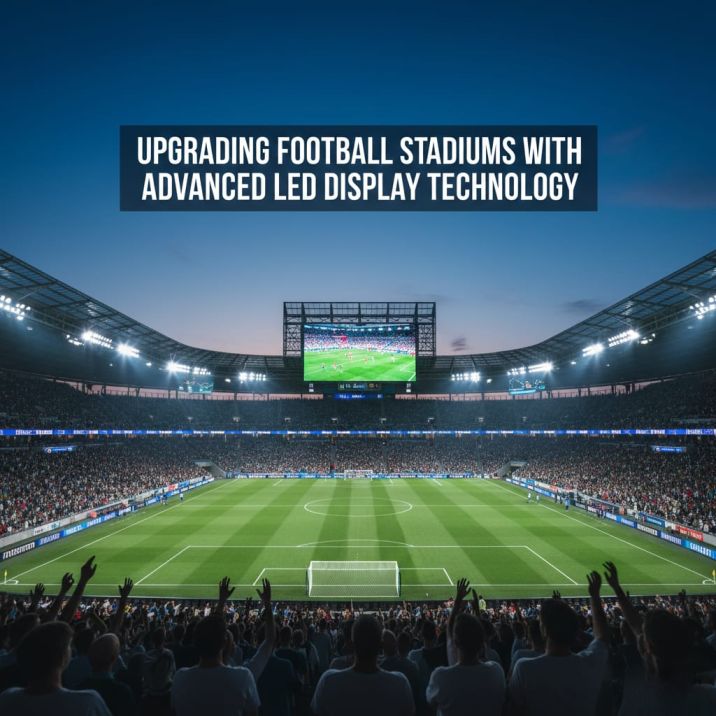
Upgrading football stadiums with advanced LED display technology transforms venues into immersive, multi-functional entertainment hubs that enhance fan engagement, maximize advertising revenue, and streamline operations.
The Key Benefits of Advanced LED Technology
Advanced LED technology offers key benefits like extreme energy efficiency, significantly cutting power use and bills; exceptional longevity, reducing replacement and maintenance; superior durability, resisting shock; instant brightness with no warm-up; excellent light quality and color control; environmental friendliness, lacking mercury; and smart features via IoT for seamless control and automation, creating versatile, cost-effective, and sustainable lighting solutions.
Key Benefits Explained
-
- Energy Efficiency & Cost Savings: LEDs convert most energy into light, not heat, consuming significantly less power (up to 75% less than incandescent) and lowering electricity costs.
-
- Long Lifespan: They last tens of thousands of hours (e.g., 25,000+), drastically reducing replacement frequency and maintenance expenses.
-
- Durability: Being solid-state, LEDs are robust, handling vibration, shock, and environmental stress better than fragile traditional bulbs.
-
- Instant On: They provide immediate full brightness without warm-up delays.
-
- Superior Light Quality: Offer crisp, consistent light with customizable color temperatures, improving visibility, mood, and productivity.
-
- Environmental Advantages: Free from mercury (unlike fluorescents) and reduce greenhouse gases due to lower energy use, supporting sustainability.
-
- Design Flexibility: Their compact size allows integration into diverse and complex lighting systems.
-
- Control & Connectivity (Smart Features): Advanced LEDs integrate with IoT, enabling dimming, color changes, music syncing, and app/voice control for immersive experiences.
-
- Reduced Heat Output: Emit less heat, contributing to cooler indoor environments and reducing fire risks.

Types of LED Displays in Modern Stadiums
Modern stadiums use various LED displays, including large center-hung screens (Jumbotrons) for replays, durable perimeter boards for ads and scores, high-impact naked-eye 3D walls, and specialized scoreboards, all designed for high brightness (5,000+ nits) and resilience, with some even offering interactive fan engagement features.
Key Types of Stadium LED Displays
-
- Jumbotron/Center-Hung Displays: Large, high-definition video walls hanging in the center, perfect for live action, replays, and immersive fan experiences.
-
- Perimeter LED Screens: Located around the field’s edge, these are typically shock-resistant and soft-covered for safety, displaying dynamic sponsor ads and game stats.
-
- Scoreboard Displays: Dedicated screens for real-time scores, fouls, penalties, and key match data, ensuring visibility for all spectators.
-
- 3D LED Video Walls (Naked Eye): Innovative, large-format screens that create stunning 3D effects without special glasses, adding a unique visual element.
-
- Interactive Displays: Integrate fan engagement through polls, quizzes, and voting, displayed live on screen for a more connected atmosphere.
Key Features & Considerations
-
- High Brightness: Essential for visibility in daylight, often exceeding 5,000 nits.
-
- Durability: Built to withstand outdoor elements and potential impacts, often using protective casings and shock-resistant designs.
-
- High Resolution: Ensures clear images from any seat, with many stadiums opting for 4K or higher.
-
- Versatility: Can display live video, graphics, ads, and interactive content, enhancing both game viewing and sponsorship opportunities.
Key Considerations for an Upgrade
When planning a stadium upgrade, key factors include evaluating the existing infrastructure, determining light level goals (e.g., for televised games vs. local play), and choosing appropriate pixel pitch and brightness for optimal visibility. Partnering with a reputable manufacturer ensures compliance with standards set by organizations like FIFA and UEFA, as well as reliable post-installation support.
Why Football Stadiums Are Upgrading to Advanced LED Display Systems
Football stadiums are upgrading to advanced LED display systems primarily to enhance the fan experience, increase revenue opportunities, and improve operational efficiency over traditional, static display systems.
Enhanced Fan Experience
Advanced LED displays create a more engaging and immersive environment for spectators:
-
- Superior Visuals: High-resolution screens offer crystal-clear images, live action, close-ups, and slow-motion replays, ensuring every fan has a great view regardless of their seat location.
-
- Dynamic Content: Unlike static scoreboards, LED displays can show a variety of content like real-time player statistics, instant updates, and dynamic graphics, keeping fans informed and excited throughout the game.
-
- Interactive Engagement: Modern systems facilitate fan interaction through social media wall integration, live polls, quizzes, and “kiss cam” features, making the audience feel more involved in the event.
-
- Atmosphere and Special Effects: LED technology allows for customizable, synchronized light shows and dynamic visual effects during team entrances, goal celebrations, and halftime performances, which amplifies the overall energy and excitement in the stadium.
Increased Revenue Opportunities
LED systems serve as a powerful business tool, creating new and flexible income streams:
-
- Dynamic Advertising: The displays offer versatile and valuable advertising space for sponsors. Advertisers can run dynamic content, including videos and real-time promotions, which is more effective and attention-grabbing than traditional static billboards.
-
- Multi-Event Versatility: Stadiums can host a wider range of events beyond football, such as concerts, corporate events, and festivals, as the flexible LED systems can adapt their content and lighting to suit various needs, increasing venue utilization and revenue.
-
- Promotions and Merchandise Sales: Stadium operators can display real-time promotions for merchandise, food, and upcoming events, encouraging in-the-moment purchases and generating continuous income.
Operational and Technical Advantages
Stadium management benefits from the inherent efficiencies and technological superiority of LED systems:
-
- Energy Efficiency and Cost Savings: LEDs consume significantly less energy (up to 70-75%) than traditional lighting systems like metal halide lamps, leading to substantial reductions in electricity bills and a lower carbon footprint.
-
- Longevity and Low Maintenance: LED lights have a much longer operational lifespan (often 50,000 to 100,000 hours), drastically reducing the frequency and cost of maintenance and bulb replacements, especially in hard-to-reach areas of a large stadium.
-
- Superior Broadcast Quality: LED lighting and displays provide the uniform brightness, high color rendering index (CRI), and flicker-free illumination required for high-definition (4K and 8K UHD) television broadcasts, meeting stringent league standards (like FIFA and UEFA).
-
- Durability and Safety: Designed to be robust and weather-resistant, outdoor LED displays can withstand rain, dust, and temperature fluctuations. Many perimeter displays also feature soft, protective covers to ensure player safety during collisions.
Choosing the Right LED Display Technology for Football Venues
Choosing the right LED display for football venues means prioritizing high brightness, wide viewing angles, high refresh rates (3000Hz+), and durability (IP65+ rating, soft masks) for seamless, weather-resistant, and safe viewing from any seat, alongside considerations for pixel pitch (P6/P8 for outdoor), energy efficiency, and easy maintenance for optimal fan engagement and performance.
Key Technology Factors:
-
- Brightness & Contrast: Must be bright enough for daytime sun but adjustable to avoid glare for viewers, ensuring clear visibility from all angles.
-
- Refresh Rate: Essential for smooth live action; aim for at least 3000Hz (or 3840Hz+) to eliminate stuttering during fast plays.
-
- Pixel Pitch: Larger pitch (like P6, P8) for outdoor perimeter boards (longer viewing distances), smaller for closer-up displays.
-
- Wide Viewing Angle: Ensures fans in different seats see a clear, consistent image.
-
- Durability (IP Rating): Outdoor screens need robust weatherproofing (IP65 or better) against dust/water.
-
- Soft Masks/Protection: Essential for player safety and screen protection near the field.
-
- Maintenance: Consider front/rear access for easier servicing.
Types of Displays to Consider:
-
- Perimeter LED Displays: Common around the field for ads and stats, requiring high durability and protection.
-
- Main Scoreboards/Video Walls: Larger screens for replays and engagement, needing high resolution and brightness.
-
- Mini-LED Technology: Offers better brightness control and contrast for high-end applications.
How to Choose:
-
- Assess Needs: Determine location (perimeter, main screen), audience size, and viewing distances.
-
- Balance Specs: Don’t sacrifice refresh rate or brightness for pixel density; find the right balance for your venue.
-
- Supplier Expertise: Choose a supplier that offers tailored solutions for stadiums, not just off-the-shelf products.
Why Football Stadiums Are Upgrading to Advanced LED Display Systems
Football stadiums are rapidly transitioning to advanced LED display systems to move beyond being just game venues and become all-encompassing entertainment hubs. The global market for these displays is projected to reach approximately $3.1 billion by 2032, reflecting a steady annual growth rate of nearly 7% as venues prepare for major events like the 2026 FIFA World Cup.
Key Drivers for LED Upgrades
-
- Immersive Fan Engagement: Modern LED systems provide ultra-high-definition (4K/8K) visuals, ensuring clear views of instant replays and live statistics from any seat. Interactive features like real-time social media walls, fan polls, and “Kiss Cams” turn spectators into active participants.
-
- Massive Revenue Generation: Unlike traditional static boards, LED displays allow for dynamic ad rotation, enabling multiple sponsors to share the same space. This increases the value of ad spots, especially during “peak attention” moments such as goals or halftime shows.
-
- Operational Efficiency & Sustainability: Advanced LEDs consume 50–75% less energy than traditional lighting and have significantly longer lifespans (up to 100,000 hours), drastically reducing maintenance costs and carbon footprints.
-
- Multi-Purpose Versatility: High-quality LED video walls and ribbon boards allow stadiums to seamlessly host non-sporting events like concerts, corporate meetings, and community festivals, maximizing the venue’s utility year-round.
-
- Safety and Navigation: Integrated LED systems are vital for crowd management, providing real-time emergency evacuation routes, weather alerts, and wayfinding directions to gates or concessions.
Upgrade Your Football Stadium with JMR InfraSolutions
Enhance match-day experience and stadium operations with LED display solutions engineered for performance and longevity.